
How to Plan Your Predictive Maintenance Project for 2026: The Complete Guide for Reliability Leaders
Dec 1, 2025
Predictive Maintenance
PART 1: Why You Should Start Planning Your 2026 Predictive Maintenance Project Today
It is the end of the year. A strange little moment where everyone is half tired, half reflective, and half pretending they will have a quiet January. It is also the moment where reliability leaders begin to think about next year’s maintenance strategy.
If you are planning a predictive maintenance project in 2026, the truth is simple. The work starts today. Not in February. Not when budgets reopen. Not when the next breakdown happens on the line. Today.
This is the single biggest lesson we learned across dozens of sites this year. The projects that went well all began with early preparation. The ones that struggled all began with surprises.
Let me explain.
Planning early removes all friction
Predictive maintenance is not hard. The hard part is the people side. When teams are kept in the dark, they resist. When they know what is coming, they help.
Think about the flow of a typical PdM project. You need maintenance involved. You need electrical involved. You need IT. You need procurement. At some point, you also need finance. These groups all work at different speeds. And they all hate being surprised.
At one site this year, the reliability manager brought the team together in November for a short briefing. Thirty minutes. No slides. He simply told them what he wanted to do, why it mattered, and how it would help their workload. The result was almost perfect alignment. IT was ready. The electricians were ready. The maintenance team felt included, so there was no pushback. The pilot started before Christmas.
At another site, the manager kept the project quiet until late March. When IT found out, they needed seven weeks for approval. Electrical had no one available for the install. Finance questioned the timing. Procurement wanted a new quote. The project started in August. Nothing about the technology changed. Only the level of preparation.
This pattern repeated across the year. Early preparation makes everything easier.
What we saw across Australian manufacturing this year
We have now deployed predictive maintenance across bakeries, beverages, seafood, dairies, snacks, pet food, and more. That gives us a unique view into what works.
Here are some consistent lessons.
At Huntingwood, the team that was briefed early moved quickly. Their site leader had clear expectations. Their maintenance leads knew what they needed to do. IT worked with us instead of around us. This meant we could focus on the work rather than the politics.
At Marleston, the plan slowed down because stakeholders were not briefed early enough. That meant more meetings, more questions, and more delays. They turned it around once everyone understood the purpose. But it reinforced the lesson. Let people know what is coming.
At a2 Milk, they briefed their electricians and trades before the business case was even final. That meant everyone knew what was being proposed and what they would be responsible for. When the time came to approve the project, no one was surprised. The entire process took weeks instead of months. This is what early alignment looks like.
A customer story: the site that prepared properly
Here is a lightly modified version of a real story.
A large food manufacturer wanted to start their first predictive maintenance project. The reliability manager knew his team was stretched. He also knew that if he asked them to support a pilot without warning, they would resist.
So he brought everyone together for a meeting in December. He said the following.
“I want to run a predictive maintenance pilot next year. I want you all to help me shape it. I will show you the value it brings. I promise it will make your life easier. But I need your input early.”
That was it.
The electricians offered to help with gateway placement. Maintenance suggested the pilot asset list. IT asked for diagrams up front. The site leader approved it instantly because the team was already aligned.
The project started in January. Hardware was installed by week three. Alerts began in week six. By March, the site had already prevented two failures.
When we asked the reliability manager why it went so smoothly, he said this.
“Because nobody was surprised. Predictive maintenance is not the problem. Surprises are.”
A customer story: the site that did not prepare
Here is the other side.
A manufacturer in regional NSW decided to trial predictive maintenance. But the reliability manager wanted to keep the project quiet until he had the vendor selected. His plan was to surprise the team with the new technology in Q1.
This did not go well.
IT found out late and blocked connectivity for four weeks.
Maintenance were annoyed they were not consulted.
The electricians were unavailable for six weeks.
Finance questioned why this had not been included in the original budget.
Leadership wanted a new business case.
The pilot intended for February began in June.
The reliability manager summed it up perfectly.
“I should have just told everyone earlier.”
Predictive maintenance relies on people and process as much as technology. Prepare the people early. Everything else becomes simpler.
Why team briefing is the foundation of every successful PdM project
When you brief your team early, you achieve three important things.
First, you build trust. People support what they help create.
Second, you create velocity. Every stakeholder moves faster when expectations are clear.
Third, you avoid last minute bottlenecks. Especially with IT. Especially with approvals.
A good team briefing does not require a big deck or a long meeting. It simply requires clarity.
We usually suggest this:
This is what we want to do.
This is why it matters.
This is the likely timeline.
This is what I will need from you.
This is how it will help you.
In our experience, this single conversation has more impact on a PdM project than any sensor, algorithm, or dashboard.
Why you should start your planning today
Once you brief the team, you can begin the real work.
You can choose the site.
You can shortlist the assets.
You can start your business case.
You can engage vendors.
You can get IT ready.
You can avoid the rush of Q1.
And you can begin 2026 with momentum.
The end of the year is the perfect moment for this work. You have fresh data from 2025. You have time to think. You have fewer interruptions. You have a clear view of which assets hurt you the most. You have the space to plan without fires to fight.
The teams that start this work today will have a better 2026. They will run smoother pilots. They will reduce downtime earlier in the year. They will get more support from leadership. They will avoid the delays that hurt so many teams in 2024 and 2025.
If you want your predictive maintenance project to succeed in 2026, preparation is your greatest advantage. And it starts today.

PART 2: How to Build the Right Plan for 2026
Most predictive maintenance projects fail before they even start. Not because the technology is bad. Not because the sensors do not work. Not because people are doing anything wrong.
They fail because the plan is unclear.
A good PdM plan is not complicated. It does not need a 40 page strategy document. It does not require a fancy consultant. What it does need is structure, clarity, and a shared understanding of the goal.
This part will help you build that.
Start with the outcome, not the tool
A mistake we see all the time is teams starting with the technology. They ask questions like:
Which sensor should we buy.
Which machine learning model is best.
How many gateways do we need.
What is the battery life.
These questions matter. But not at the start. They come later. Much later.
The project begins with a simple question.
What outcome do we want.
Do you want to reduce unplanned downtime by a certain amount.
Do you want to reduce emergency work orders.
Do you want to reduce PMs that are unnecessary.
Do you want earlier visibility of failures.
Do you want more confidence in your asset health.
Do you want a more stable process.
Once the outcome is clear, everything else falls into place.
When we reviewed the strongest projects this year, they all had the same pattern. They started with their goal. They then selected the assets. Then they planned the pilot. Only after that did they look at tools.
The weak projects did the opposite. They picked the tool first and then tried to build a plan around it.
Do not build the house before the foundation.
The five non negotiables of a strong predictive maintenance plan
Here are the five elements we see across every successful PdM deployment.
1. A clear plan and purpose
Your team needs to know why you are doing this. Not in a buzzword way. In a real way.
For example:
We lose too many hours each month to failures we should have seen coming.
We want to reduce emergency work.
We want to improve operator confidence.
We want to hit our production targets consistently.
We want to stop replacing bearings at half their useful life.
If the purpose is clear, the project has energy. If the purpose is vague, it becomes another “initiative”.
2. A well selected group of assets
This is the heart of the plan. It will make or break your results.
A common mistake is selecting assets that never fail. Another mistake is choosing assets with highly variable operating conditions. Or assets that are too new. Or too complex. Or too inaccessible.
The right assets meet a simple set of criteria.
They fail in a way that gives you warning.
They produce a clear degradation pattern.
They cost you real money when they fail.
They create stress for operators when they fail.
They operate in a stable way.
And you can physically get a sensor on them.
We will talk more about asset selection in Part 3. For now, remember this. Your predictive maintenance plan is only as strong as your asset list.
3. A realistic pilot scope
Many teams start too big. They want to monitor 200 assets on day one. This always results in pain.
The best pilots are small. Focused. Intentional.
Twenty to fifty assets is enough. One line is enough. One area is enough. A pilot is not a multi year transformation. It is a simple test to see if the solution works for your environment.
At Tingalpa, the team started small. They monitored a limited set of assets, proved value in weeks, and then expanded. This is the pattern that creates momentum.
4. A workflow for responding to alerts
Most PdM projects do not fail because alerts are wrong. They fail because no one owns the response.
Who creates the work order.
Who calls the electrician.
Who checks the asset.
Who closes the loop.
Who updates the system.
Who confirms the savings.
If you cannot answer these questions, you do not have a plan.
At Huntingwood, they learned this the hard way. Two alerts were raised. The responsible person was absent. No work order was created. The motor failed. They had a two week warning. The system did its job. The workflow did not.
After that, the team created a simple chain of events. Alerts went to the reliability engineer. Work orders were created quickly. Actions were logged. The process became smooth. The savings multiplied.
A PdM workflow does not need to be complex. It just needs to exist.
5. A timeline with clear owners
Every successful project we saw had these things:
A named reliability lead.
A named maintenance lead.
A named electrical lead.
A named IT lead.
A simple schedule.
A clear install date.
A clear go live date.
These owners do not need to spend endless hours on the project. A few hours here and there is usually enough. But if no one owns it, the project floats.
A customer story: the site that over engineered its plan
One site (we will keep them anonymous) wanted a perfect PdM plan. They wanted to model every failure mode. They wanted to optimise the gateway placement with laser precision. They wanted to document every possible scenario.
It took them eight weeks to agree on the asset list. By then, the team had lost energy. The original goal of reducing downtime was forgotten. The project became a documentation exercise.
Eventually, they started the pilot. It worked well. But the delay cost them months of savings.
Their maintenance manager said it best.
“We could have started two months earlier if we kept it simple.”
A customer story: the site that built a great plan in one week
Another site took the opposite approach. They used a standard planning template. They followed a simple seven step process.
Select the site.
Select the assets.
Get approval.
Align with IT.
Assign owners.
Install.
Go live.
They made fast decisions. They trusted their judgement. They avoided overthinking.
They approved the pilot in one week. Sensors were installed two weeks later. Alerts came in by week six. They prevented a failure by week nine.
The reliability manager said it was the easiest project they ran that year.
Not because predictive maintenance is easy. But because the plan was simple.
Preparing the maintenance and engineering teams
This part is important. Predictive maintenance changes the way maintenance work is triggered. It moves decisions from time based to condition based. That is a cultural shift. It requires communication.
Do not surprise your maintainers. Do not surprise your electricians. Do not surprise your operators.
When teams understand the value, they embrace the change. When they feel blindsided, they push back.
At one site, the operators said “This is great. Now we do not need to guess what the machine is doing.” That is ownership. That is buy in.
Make sure your team knows:
What will happen.
How alerts will come in.
Who will act on them.
What the expected response time is.
How the process will make their lives easier.
Good communication creates strong adoption. Strong adoption creates strong ROI.
Use a simple planning framework
If you want a shortcut, you can use a proven seven step plan that hundreds of sites have used.
Pick the site.
Pick the assets.
Agree the budget.
Align with IT.
Assign the people.
Install the hardware.
Go live.
That is it. Seven steps. Nothing more.
In a world where most companies over complicate things, simplicity becomes a competitive advantage.
Your plan sets the tone for the entire year
Most reliability projects struggle because they begin without a clear plan. They are rushed. They are under communicated. They lack ownership.
Your plan is the opposite. Your plan is clear. Simple. Focused. Designed for success.
In Part 3, we will look at how to review your 2025 data to choose the right assets for your pilot. This is where the biggest gains are found.
But for now, remember this.
A predictive maintenance project does not fail because of sensors. It fails because the plan was weak. Build a strong plan. Keep it simple. Keep people involved. And you will be ahead of almost everyone next year.

PART 3: Review Your 2025 Data: The Most Important Work You Can Do Over Christmas
If you want a predictive maintenance project that works in 2026, you need one thing before anything else. A good asset list.
And the best way to build a good asset list is very simple. Look back at your 2025 data.
This is the work that most teams skip. This is also the work that creates almost all the value.
The quiet period at the end of the year is your greatest advantage. No one is pulling you into meetings. You finally have time to think. And for the first time all year, you can look at the numbers without someone asking you if the line is back up yet.
Use this time.
Why reviewing your 2025 data matters so much
We have seen this across every site. The assets that cost you the most money are not a surprise. They show up repeatedly. They fail in similar ways. They follow predictable patterns.
In most factories, roughly ten percent of the equipment causes eighty percent of the pain. These are the assets you want to start with in your predictive maintenance pilot.
When you select the right assets, your pilot works. You get meaningful alerts. You prevent failures. You reduce emergency work. You reduce stress. And you make the case for expansion.
When you pick the wrong assets, your pilot goes very quiet. And everyone thinks predictive maintenance does not work.
It works. You just need to point it at the right equipment.
Four questions every reliability leader should ask this month
Start with these questions. They will give you clarity very quickly.
1. Which assets caused the most unplanned downtime in 2025.
Open your CMMS. Sort your work orders by downtime. The list will speak for itself.
2. Which assets generated the most emergency or corrective work.
Emergency work is expensive. It is a sign the asset is predictable, but no one is listening.
3. Which failures could have been predicted with condition data.
Look for patterns. Vibration issues. Temperature rise. Misalignment. Wear. Lubrication. These are all perfect PdM candidates.
4. Which assets have stable operating conditions.
You want equipment that runs in a consistent way. Motors. Pumps. Gearboxes. Conveyors. Not assets that run differently every hour.
Once you answer these questions, you will have a shortlist. And that shortlist is your starting point.
A customer story: the plant that found their top 12 troublemakers
This is a real pattern, with the details changed.
A beverage plant reviewed 12 months of downtime. They discovered that 12 assets caused nearly all their unplanned losses. Twelve assets. Out of hundreds.
Eight were motors. Two were pumps. One was a gearbox. One was a fan.
They started their predictive maintenance project on those twelve. In the first three months, they prevented two failures. In six months, they prevented three more.
Their reliability engineer said something that stuck with me.
“We always knew these were the problems. We just never had the time to sit down and look at the data properly.”
This is why the end of the year is so valuable. You finally have that time.
Real example: how a biscuit manufacturer saved hundreds of thousands
A site in NSW ran continuous monitoring across key lines. In just six months, they saved $260,500 in prevented failures.
This came from simple things. Bearings wearing down. Lubrication missed. Misalignment. Operator mistakes.
All detected early. All preventable.
In the full 12 month period across both sites, the total savings hit $412,518. The software cost them an average of $2,400 per site per month. The maths speaks for itself.
And if you look back at the alerts, you see one pattern. Every asset that saved them money had one thing in common. It had failed before. The data showed the pattern clearly.
This is the value of reviewing your year.
Real example: how a dairy producer built a 3x ROI business case
A site in Victoria reviewed their maintenance history and discovered something interesting. They were replacing bearings, belts, and motors far earlier than needed.
Their data showed that the components still had useful life left.
Their downtime events, while rare, were expensive.
Their PMs were heavy and costly.
And their maintenance strategy was over protective and expensive.
From that analysis, they built a simple model. They extended bearing life. They extended belt replacements. They reduced unnecessary motor swaps. They estimated downtime savings.
The result was clear. A 3x ROI.
This is exactly what can happen when you take your 2025 data seriously.
How to create your predictive ready asset list
Once you have your shortlist, run each asset through this simple filter.
Does it fail in a way that gives warning.
Does failure build over time.
Does vibration or temperature change before failure.
Does the asset cost real money when it fails.
Does it operate consistently.
Is it easily accessible for installation.
Does it matter to production.
If the answer to most of these is yes, it is a good candidate.
Here are the types of assets that always qualify.
Motors.
Pumps.
Gearboxes.
Fans.
Compressors.
Augers.
Conveyor drives.
Rollers.
Cutters.
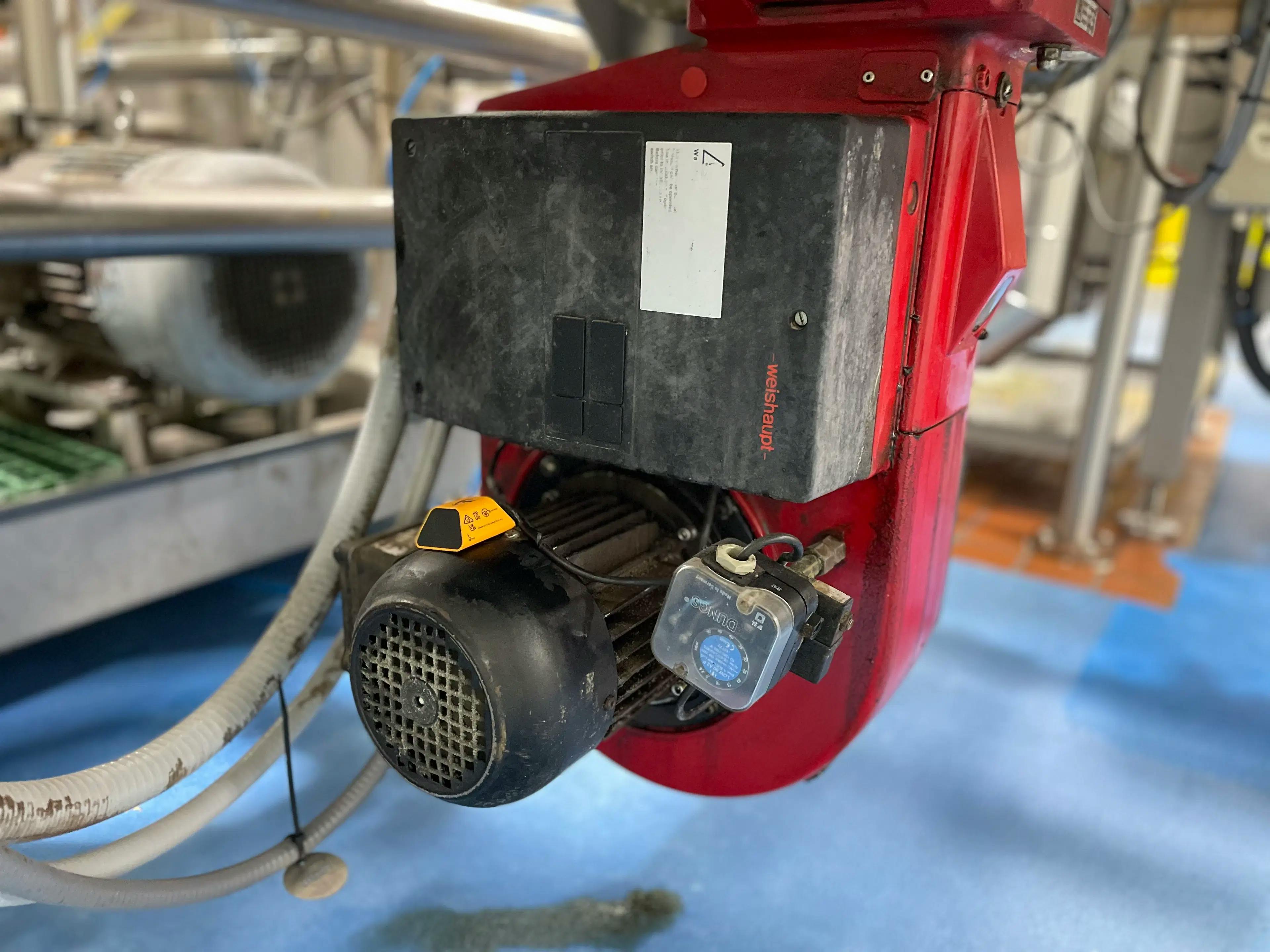
These assets degrade in predictable ways. They produce vibration and heat signatures when they are unhappy. They cost money when they go down. They are perfect for predictive maintenance.
A simple rule that will save you time
If an asset has failed more than twice in the last two years, monitor it.
If an asset has caused more than 4 hours of downtime in a single event, monitor it.
If an asset scares you, monitor it.
If an operator rolls their eyes when you mention it, definitely monitor it.
These are not jokes. These are patterns we see everywhere.
A note on long term reliability: design out the failures
There is one more thing worth saying here.
The real goal of reliability is not to spot failures early.
It is to design them out completely.
A strong reliability program moves toward defect elimination.
You study the root causes. You understand the patterns.
You remove the failure mechanism from the system.
Over time, the asset becomes boring.Which is exactly what you want.
At Factory AI, we believe in this deeply. The real win is not catching the tenth bearing failure. It is making sure there is no eleventh bearing failure to catch.
But here is the honest truth. Defect elimination takes years. It requires data. It requires culture. It requires engineering work. And it requires time.
So while you are on that journey, you may as well follow the rules above.
Pick the assets that fail.
Monitor them well.
Prevent what you can.
Learn from every alert.
And use those insights to design out the failures later.
Think of predictive maintenance as the bridge that keeps you safe while you build a world where nothing falls down in the first place.
Why this data work will save you enormous time later
When you take two or three hours to review your year, you give yourself a real edge.
You will choose better assets.
You will build a stronger business case.
You will launch a better pilot.
Your alerts will be meaningful.
Your team will trust the process.
You will prevent real failures.
You will reduce emergency work.
You will hit your KPIs.
This single activity shapes your entire year. It shapes your savings. It shapes your credibility. It shapes your adoption.
It is the quiet work that no one sees. But it is the work that makes everything else easier.
Your predictive maintenance project begins here
Most people think predictive maintenance starts with a sensor. It does not. It starts with your data from last year.
Look at your downtime.
Look at your PMs.
Look at your CM work.
Look at the moments that hurt.
Look at the repeat offenders.
Look at what could have been predicted.
Do this, and you will walk into 2026 with absolute clarity.

PART 4: Start Engaging Vendors and Build Version 1 of Your Business Case
By this point, you know what you want to achieve in 2026.
You have briefed your team.
You have built your plan.
You have reviewed your 2025 data.
You have your shortlist of assets.
Now you need to turn preparation into action. This is the moment to start speaking with vendors and to draft the first version of your business case.
This is where predictive maintenance projects either accelerate or stall. Thankfully, it can be straightforward if you tackle it now.
Why you want to speak with vendors now
Most sites wait too long. They hold off until Q1 settles. Or until the next breakdown. Or until leadership asks for a plan.
By then, everything slows down.
IT slows down.
Procurement slows down.
Your electricians are busy.
Approval cycles take longer.
Urgency fades.
Energy fades.
Teams that speak with vendors early get ahead of all this. Their questions are answered early. Their asset list is validated early. Their IT path is clear. Their pilot is ready to go.
This year, we saw the same pattern across factories of all sizes. The early movers went live faster. The late movers lost months.
One food plant that began vendor discussions in December went live before Easter. Another plant in the same industry waited until April. They started in August.
Same technology. Same assets. Very different outcomes.
What you should ask every vendor
Your first conversations with vendors should be simple. You are looking for clarity, not jargon.
Ask things like:
Can you show me results in facilities like ours.
What kinds of failures have you prevented.
What does a typical pilot look like.
What data do we need to provide.
How long does installation take.
What does the alert workflow look like.
How accurate are alerts after the first few weeks.
How much time does my team need to invest.
What is the pricing structure.
How do we expand later.
What happens if the pilot does not work.
You are trying to understand the approach, not the marketing language. A good vendor should make things simpler, not more complicated.
Customer story: the site that waited too long
Here is a true pattern from this year, with the details changed.
A confectionery manufacturer wanted to run a predictive maintenance pilot. They believed in the idea. They had strong support. But they waited until April to involve the vendor.
IT needed twelve weeks.
Procurement needed four weeks.
The electricians were tied up with shutdown work.
Finance wanted a new business case because the budget cycle had shifted.
The pilot that was meant to start in February started in August. They lost half a year of savings. Everyone knew it.
The reliability engineer said:
“I thought waiting would make us more organised. It made everything harder.”
Meanwhile, other plants in similar industries were already preventing failures by March, simply because they started their conversations earlier.
A simple way to build Version 1 of your business case
Your business case does not need to be perfect. It needs to be clear. Use the One Page Business Case format.
Follow the structure.
1. The problem statement
Describe the impact of downtime in 2025.
Describe who is affected.
Describe why the problem is getting worse.
Example:
Every week we lose productive hours to failures that could be predicted. This impacts labour, inventory, and production targets. The cost increases every year.
2. The recommended approach
Explain a simple pilot.
One line.
A small group of assets.
A short timeframe.
Clear responsibilities.
Avoid over engineering. Leadership loves clarity.
3. The payoff that matters
This is where industry examples help. Below are anonymised versions of real results.
A large food manufacturer saved more than four hundred thousand dollars in twelve months from early detection of bearing wear, lubrication issues, and misalignment. The software cost a fraction of that.
One of their lines saved more than two hundred and fifty thousand dollars in six months by preventing failures ahead of time.
A premium pet food producer modelled their maintenance history and found they were replacing motors, belts, and bearings far too early. By moving to condition based decisions, they built a conservative savings model showing fifty six thousand dollars of annual benefit on thirty assets. Their ROI was three times their investment.
These examples help your leadership understand the opportunity.
4. The required investment
Outline what is needed.
A maintenance lead.
An electrical lead.
A reliability lead.
IT for connectivity approval.
A simple budget.
A clear timeline.
Leadership does not need a huge deck. They need to see that the plan is practical and achievable.
What a good vendor should help you with
A strong vendor should make your life easier. They should help you:
Refine your asset list.
Write your business case.
Estimate savings.
Plan the pilot.
Provide IT diagrams.
Explain data flows.
Support change management.
Support your alert workflow.
Give you a clear go live timeline.
And allow you to walk away if the pilot fails.
If a vendor cannot help you with this, they are selling hardware, not delivering predictive maintenance.
Build your Version 1 business case in two hours
Here is a simple sequence you can follow this week.
Open your downtime report.
Pick the twenty to fifty assets that cost you the most.
Estimate the cost of those failures.
Estimate PM savings.
Add examples of preventable failures.
Add a simple pilot scope.
Add your required resources.
Add your rough costs.
Tie it to your 2026 goals.
Finalise your timeline.
That is your Version 1. It does not need to be perfect. It just needs to be something you can share with your leadership and your vendor.
Your final step: create momentum before January
The teams that succeed next year are not the ones with the biggest budgets. They are the ones who started early.
They briefed their team.
They reviewed their data.
They selected the right assets.
They spoke with vendors early.
They had a business case ready.
They involved IT before the rush.
These teams go live sooner. They prevent failures sooner. They achieve ROI sooner. And they expand sooner.
Predictive maintenance is not complicated when you break it into simple steps. You have done the hard part already. Now you just need to act early and build momentum.